

Your Cart is Empty
Leather care
Caring for Your Leather: A Lifetime of Use
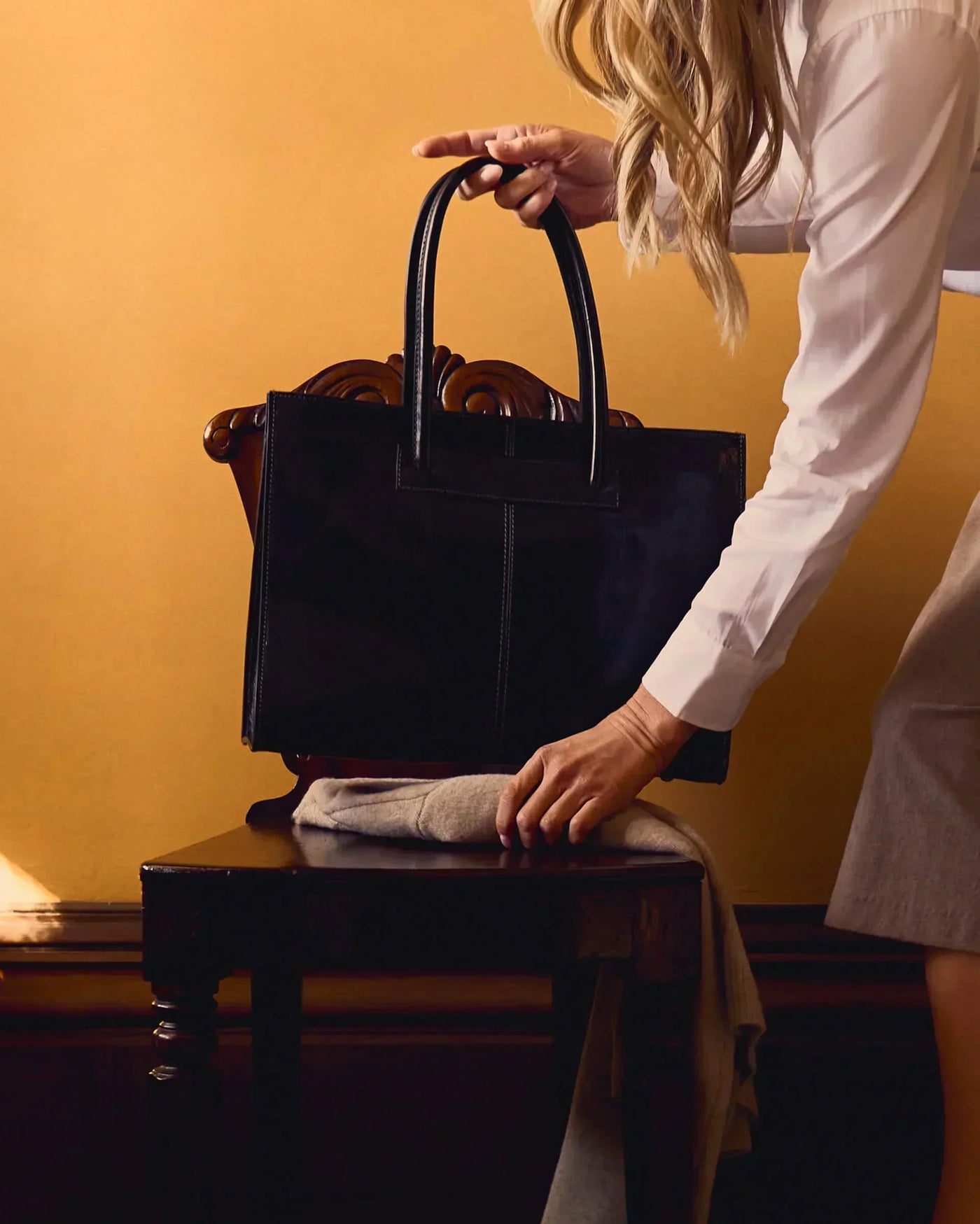
A Republic of Florence piece is not just something you carry; it carries you. It holds the weight of mornings and meetings, departures and returns, and takes on the marks of your life as it goes. The good news is that full-grain, vegetable-tanned leather asks very little of you. It doesn't need constant attention. In the beginning especially, less is more. Look after it simply, and it gets better with the years rather than worse.
The first 6 to 12 months: let it breathe
When your piece first arrives, it is still settling into life with you. These early months are when the leather is most ready to shape itself around how you use it, so the best thing you can do is mostly leave it alone.
- Skip conditioners at first. The leather arrives already nourished from the tanning process. It doesn't need added oils or waxes yet, and conditioning too early can clog the grain and flatten its texture.
- Don't leave it wet. A little rain won't hurt. Just don't leave it sitting damp for hours. If it does get wet, pat it dry with a soft cloth and let it air-dry away from direct heat.
- Rotate it if you can. Switching between bags lets each one rest, which slows wear and helps an even patina develop.
 In picture: the Grand dopp kit
When to start conditioning
After six to twelve months, the leather has settled in. This is the point to begin a simple, occasional routine.
- Use the right product. A pH-balanced leather conditioner, free from silicones and petroleum derivatives. A natural balm or cream suits vegetable-tanned leather best.
- Less is more. Apply sparingly with a soft cloth in light circular motions. Let it absorb fully, then buff off any excess. Test on a small, hidden area first.
- Once or twice a year is plenty, unless the piece is dealing with real dryness, heat, or heavy daily use.
Everyday habits that keep it looking right
Most of what keeps leather looking good is small and undramatic.
- Wipe it now and then with a soft, dry cloth to keep dust off.
- Keep it away from oils, alcohol, perfume, and ink.
- Keep it out of prolonged direct sunlight.
- If it gets damp, let it air-dry naturally. No heaters, no hairdryers.
Because the colour is dyed deep into the leather rather than sprayed on the surface, a light scratch or scuff tends to blend in rather than show as a pale mark. Often it will settle further with use, or buff out with a soft cloth.
 In picture: the Beltrami weekender
Storing it well
When a piece isn't in use, a little care keeps its shape.
- Store it in the dust bag it came in.
- Keep it somewhere cool and dry.
- Lightly stuff bags so they hold their shape.
Avoid plastic bags, hanging by the straps for long periods, or cramming it tightly against other things.
What to avoid
A short list does most of the work here. Keep the leather away from excessive water, heat and direct sun, ink, makeup and perfume, and don't overload a bag beyond what it's built to carry. Most damage comes from these rather than from age.
How long it lasts is partly up to you
This is the honest part. Vegetable-tanned leather isn't indestructible, no leather is, and neglect will tell on any piece. But there's no synthetic coating on it to crack and peel the way cheaper finished leather does. Looked after with the simple habits above, it wears in rather than out, and stays with you for a long time.
The full guide
This covers the essentials, but we've put together a complete owner's guide to looking after your leather. Register your piece and we'll send it to you, along with everything you need to keep it in good shape for years. You can register at republicofflorence.com.au/pages/warranty-register.
